
Smart home interior integration is revolutionizing the way we experience our living spaces, combining cutting-edge technology with elegant design. Imagine a home where every light, appliance, and decor element works seamlessly together to create an environment that not only looks stunning but also enhances your daily routine. In this exploration, we delve into the significance of blending smart technology with interior design, revealing how these integrations can elevate both functionality and aesthetics in our homes.
From transforming kitchens with smart appliances to creating cozy atmospheres with intelligent lighting, the journey of smart home integration is as fascinating as it is practical. We’ll also share inspiring examples and useful tips to help you make informed decisions about incorporating smart features into your home.
Smart Home Interior Integration
Integrating smart home technology with interior design creates a harmonious living environment that enhances comfort, efficiency, and aesthetics. As technology evolves, the blending of functional devices with design elements becomes increasingly important in modern homes. This synergy not only elevates the user experience but also adds value to the property.The key components of a smart home typically include smart lighting, security systems, thermostats, audio/video systems, and kitchen appliances.
Each of these elements contributes to creating a cohesive, automated interior that adapts to the lifestyle of the inhabitants. For instance, smart lighting can be programmed to change based on the time of day or activity, enhancing both usability and ambiance in interior spaces.
Key Components and Their Impact on Interior Spaces
Understanding the individual components of a smart home and their impact on interior design is crucial. Below are several essential technologies that enhance living spaces:
- Smart Lighting: Adjustable lighting solutions that can be controlled remotely or programmed according to routines. They not only improve energy efficiency but also allow for varying moods through different color schemes and intensities.
- Smart Thermostats: Devices that learn the homeowner’s schedule and preferences to optimize heating and cooling systems, ensuring comfort while reducing energy costs.
- Smart Security Systems: Comprehensive systems that include cameras, sensors, and alarms, providing peace of mind while seamlessly blending into the decor.
- Smart Audio/Video Systems: Integrated entertainment systems that offer high-quality sound and visuals, allowing for a clutter-free aesthetic without compromising on enjoyment.
- Smart Kitchen Appliances: Devices like refrigerators, ovens, and coffee makers that can be monitored and controlled remotely, enhancing both functionality and modern design in the kitchen.
Successful examples of smart home interior integration showcase the beauty of blending technology with design. One notable project involved the transformation of a traditional living room into a tech-savvy space using smart lighting that accentuated architectural features, while hidden speakers provided an immersive audio experience without visible clutter. Another impressive case featured a kitchen where smart appliances were seamlessly integrated, enhancing workflow and maintaining a sleek appearance.
“Smart home integration is not just about technology; it’s about creating spaces that feel alive and responsive to our needs.”
Interior Design and Decorating
Incorporating smart technology into traditional interior design can enhance both functionality and aesthetics, creating a harmonious living environment that caters to the modern lifestyle. As homes evolve into connected spaces, the integration of smart devices seamlessly blends with established decor styles, offering convenience without compromising on design.Integrating smart technology into traditional interior design involves selecting devices that complement rather than clash with existing decor.
Smart lighting, for example, can be programmed to adjust brightness and color temperature, enhancing the mood of a room while maintaining its visual appeal. Thermostats can be discreetly incorporated into the design, with options that mimic classic designs or blend into wall colors for a more subtle appearance. The key is to ensure that technology enhances the space’s character rather than overwhelms it.
Impact of Smart Decor on Aesthetics
Smart decor significantly impacts a home’s aesthetics by marrying form and function. Homeowners can achieve a sophisticated look with minimal clutter while enjoying the benefits of advanced technology. For instance, smart mirrors that can display time, weather, or news while doubling as a decorative element serve both practical and stylistic purposes. Additionally, smart speakers and sound systems can be designed to fit into various interior styles, from sleek and modern to vintage or rustic.To maintain a cohesive look throughout a home, consider the following suggestions when selecting smart furnishings that align with your interior style:
- Color Scheme: Select smart devices in colors that complement the existing color palette of the room, such as neutral shades for a classic look or bold colors for contemporary spaces.
- Material Compatibility: Choose smart furnishings made from materials that match other elements in the room, like wood, metal, or glass, ensuring they blend seamlessly with furniture and decor.
- Design Aesthetics: Opt for smart devices with elegant designs that reflect your interior style—sleek designs for modern homes and ornate details for traditional spaces.
By carefully selecting smart decor that aligns with traditional design principles, homeowners can create a stylish and functional environment that meets the demands of modern living.
Smart technology should enhance, not detract from, the beauty of your home.
Kitchen Improvements
The kitchen is often referred to as the heart of the home, and with the advent of smart technology, it can become even more functional, efficient, and enjoyable to use. The integration of smart appliances can streamline tasks, enhance culinary experiences, and contribute to a modern aesthetic. Embracing this technology not only improves the way we cook and interact with our kitchen but also promotes energy efficiency, making it a win-win scenario for homeowners.Smart appliances are designed to take kitchen functionality to the next level.
These devices include smart refrigerators, ovens, dishwashers, and more, each equipped with features that simplify cooking and food management. For example, smart refrigerators can monitor inventory and suggest recipes based on available ingredients, while smart ovens can be preheated remotely and allow for precision cooking via smartphone apps. This level of connectivity and control enables users to optimize their culinary tasks and enhances overall kitchen productivity.
Integration of Smart Technology in Kitchen Design
Designing a kitchen that seamlessly integrates smart technology requires thoughtful planning and creativity. Here are some design ideas that can elevate the aesthetic and functionality of your kitchen space while incorporating smart appliances:
1. Open Concept Layout
An open kitchen design allows for easy flow and interaction, making it the perfect setting for showcasing smart appliances. Consider using a central island that houses smart cooking appliances, making them accessible while keeping the space organized.
2. Incorporation of Smart Lighting
Use smart lighting systems that can be controlled via voice or smartphone. Adjustable brightness and color temperature can enhance the atmosphere for cooking, dining, or entertaining.
3. Hidden Technology
To maintain a clean and uncluttered look, integrate smart appliances into cabinetry. For instance, a smart dishwasher can be installed under the counter and concealed behind cabinet doors, giving the kitchen a sleek appearance.
4. Smart Backsplashes
Innovative materials can serve as functional surfaces as well as visual highlights. Consider using smart glass that can display recipes, cooking videos, or even act as a screen for video calls while cooking.
5. Interactive Touchscreens
Install touchscreens at strategic locations, like the kitchen island or wall, to provide access to recipes, grocery lists, and meal planning tools. This can also serve as a family command center for schedules and reminders.The benefits of implementing smart kitchen systems extend beyond convenience and luxury; they significantly contribute to energy efficiency. Smart appliances are designed to use less energy compared to traditional models while providing superior performance.
For instance, smart dishwashers use sensors to determine the optimal water usage based on the load size, while smart ovens can adjust cooking times and temperatures to ensure even cooking, preventing energy waste.
“By integrating smart technology into your kitchen, you not only enhance functionality but also contribute positively to energy conservation.”
Moreover, many smart appliances provide real-time energy usage statistics, enabling homeowners to make informed decisions about their energy consumption. As a result, families can save on utility bills while also reducing their carbon footprint, aligning modern convenience with environmentally conscious living.
Landscaping Outdoor Decorating
Creating an inviting outdoor space is essential for enhancing the aesthetic appeal of your home while also boosting its value. Smart landscaping solutions not only elevate the beauty of your yard but also provide practical benefits like energy efficiency and ease of maintenance. By integrating technology into your outdoor areas, you can cultivate a space that is both visually stunning and functionally sound.Smart landscaping solutions can significantly enhance outdoor aesthetics and functionality.
These solutions often incorporate technology that automates or simplifies outdoor upkeep, allowing you to focus more on enjoying your space rather than maintaining it. Key components include smart lighting, smart irrigation systems, and innovative landscaping designs that leverage technology for improved aesthetics and utility.
Smart Lighting in Outdoor Spaces
Incorporating smart lighting into your outdoor areas can transform the ambiance and functionality of your landscape. Smart lighting not only illuminates pathways and patios but also enhances security and adds a touch of elegance to your outdoor spaces. Here are some notable features and benefits of smart outdoor lighting:
- Motion Sensors: These lights automatically turn on when movement is detected, enhancing security while conserving energy.
- Smart Control: Many smart lighting solutions offer mobile apps that allow you to customize brightness and colors, schedule on/off times, and even sync with music.
- Weather Resistance: Designed to withstand outdoor conditions, these fixtures provide durability and reliability.
- Energy Efficiency: Utilizing LED technology, smart outdoor lights consume less energy and have longer lifespans compared to traditional lighting.
Smart lighting can create mood and enhance safety, ensuring your outdoor areas are as inviting and secure as possible.
Smart Irrigation Systems
Smart irrigation systems are designed to maintain the health of your landscape while conserving water and reducing utility costs. These systems utilize technology to optimize watering schedules based on weather conditions and soil moisture levels. Here are some features and examples of smart irrigation systems:
- Soil Moisture Sensors: These devices measure the moisture level in the soil, ensuring that your plants receive the right amount of water at the right time.
- Weather Integration: Many systems can access weather forecasts, adjusting watering schedules based on anticipated rainfall or temperature changes.
- Remote Access: Users can control and monitor their irrigation systems remotely through mobile apps, providing flexibility and convenience.
- Water Conservation: By delivering precise amounts of water only when necessary, smart irrigation systems can significantly reduce water usage.
Smart irrigation systems not only promote healthy plant growth but also contribute to significant water savings, making them an eco-friendly choice for homeowners.
By leveraging these smart landscaping solutions, homeowners can create beautiful outdoor environments that are not only aesthetically pleasing but also efficient and easy to maintain. The integration of technology into landscaping is revolutionizing how we interact with our outdoor spaces, making them more functional and enjoyable.
Home Lighting
Smart lighting systems have revolutionized the way we experience and interact with our living spaces. By allowing for the adjustment of brightness, color, and scheduling, smart lighting can significantly enhance the mood and ambiance in any interior environment. This technology not only adds a sense of comfort but also creates a dynamic atmosphere that can be tailored to different activities or times of day.Integrating smart lighting with your existing decor doesn’t have to be a daunting task.
It can be achieved seamlessly through careful planning and selection. When you consider the color temperature of your bulbs and how they complement your furnishings, you can create a cohesive look that enhances the overall aesthetic of your home. Moreover, smart lighting is adaptable, meaning you can easily adjust settings to match seasonal decor changes or special occasions.
Strategies for Integration
Incorporating smart lighting into your home decor can be accomplished through several effective strategies. The following points Artikel some practical tips for integrating smart lighting that aligns with your personal style.
- Choose Compatible Fixtures: Opt for smart bulbs that fit into your existing lighting fixtures. This allows you to maintain your decor while enjoying the benefits of smart technology.
- Layer Your Lighting: Use a combination of ambient, task, and accent lighting to create a multi-dimensional space. Smart lights can be programmed to complement these layers effectively.
- Utilize Color Tuning: Many smart lights offer color-changing capabilities. Experiment with different hues to evoke specific emotions or themes, such as warm tones for relaxation or cooler shades for focus.
- Incorporate Smart Switches: Consider replacing traditional light switches with smart versions. This allows for easy control of multiple lights and can be styled to match your existing decor.
- Set Up Scenes: Create predefined lighting scenes that can be activated with a single command. These scenes can reflect different moods, such as a cozy movie night or a bright energizing workspace.
Benefits of Smart Lighting Controls
The use of smart lighting controls offers numerous advantages, particularly in terms of energy efficiency and convenience. By harnessing technology, homeowners can enjoy significant savings while enhancing their living environments.
Smart lighting systems can reduce energy consumption by up to 80% compared to traditional lighting solutions.
One of the most compelling benefits is the ability to program lights to turn off or dim when not in use. This can lead to substantial energy savings over time. Furthermore, smart lighting can be controlled remotely, allowing users to turn lights off when they forget or to adjust settings from anywhere via smartphone apps. This control not only enhances convenience but also adds a layer of security, as lights can be set to mimic occupancy when homeowners are away.Additionally, many smart lighting solutions offer energy usage statistics, enabling homeowners to track their consumption patterns and adjust accordingly.
Consequently, integrating smart lighting not only elevates your home’s aesthetic and ambiance but also contributes to a more sustainable lifestyle.
New Construction
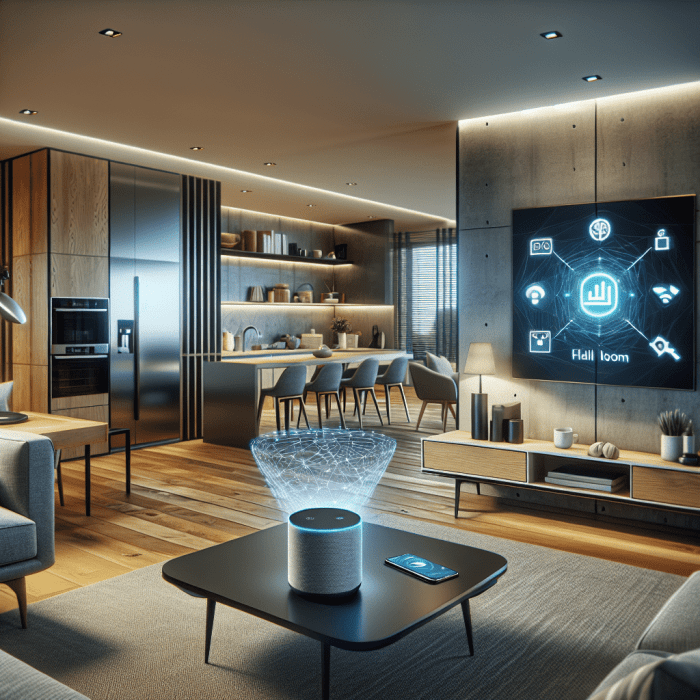
Incorporating smart home technology into new construction projects is an essential step for creating modern living spaces that are both functional and efficient. Planning for smart devices during the design stage can ensure seamless integration and long-term compatibility with future technologies. This foresight not only enhances the comfort and convenience of the home but also maximizes its market value.Planning for smart home technology requires a comprehensive approach to wiring and infrastructure.
This involves selecting the right materials and ensuring that your building plans accommodate the necessary wiring for various smart devices. Here are some key considerations for effective wiring and infrastructure:
Wiring and Infrastructure Recommendations
Establishing a robust wiring system is crucial for the functionality of smart home devices. Adequate planning will help prevent future upgrades from being cumbersome or costly. Key recommendations include:
- Structured Wiring Systems: Implement structured wiring systems that allow for easy access to networking and power sources throughout the home. This provides flexibility for adding devices in the future.
- Cat6 or Cat7 Ethernet Cabling: Use high-quality Ethernet cabling, such as Cat6 or Cat7, to ensure high-speed internet access and support for multiple devices. These cables can handle increased data demands for streaming and gaming.
- Power Over Ethernet (PoE): Consider using PoE technology for devices like security cameras and access points. This reduces the need for separate power lines, simplifying installation.
- Dedicated Circuits: Designate specific circuits for high-demand devices such as smart appliances and home automation hubs. This prevents overloads and ensures stable operation.
- Wireless Connectivity: While wired connections are essential, ensure reliable wireless coverage throughout the home. Investing in mesh Wi-Fi systems can enhance connectivity in larger spaces.
The importance of considering future tech upgrades during the building process cannot be overstated. As technology evolves rapidly, being prepared for upgrades ensures the home remains compatible with emerging smart devices. Future-proofing measures include:
Considerations for Future Tech Upgrades
Planning for the future involves making strategic choices during construction. Here are some considerations to enhance long-term adaptability:
- Flexible Conduit Systems: Install flexible conduits that allow for easy replacement or addition of wires without major renovations.
- Smart Hub Compatibility: Choose smart home systems that support various protocols (such as Zigbee, Z-Wave, and Wi-Fi) to ensure compatibility with a wide range of devices.
- Expansion Capability: Design spaces with the potential for expansion, such as extra outlets for future smart devices or additional rooms that can accommodate technology.
- Environmental Controls: Integrate energy-efficient systems that can be upgraded to smarter versions, ensuring that HVAC and lighting can adapt to future needs.
- Consultation with Experts: Engage with smart home specialists during the design phase to understand the latest technologies and best practices for integration.
By taking these steps, homeowners can create a well-designed space that meets current demands and is equipped to handle future advancements in smart home technology.
Home Painting
Painting your home is not just about aesthetics; it’s an opportunity to enhance the functionality and ambiance of your smart home. Choosing the right colors and finishes can significantly complement the technological features integrated into your space, creating a cohesive look that harmonizes modern living with innovative solutions.The impact of smart home features on your interior paint choices is profound.
For instance, the integration of smart lighting systems can alter the perception of color throughout the day. With various smart home technologies, the lighting can change based on time or mood, which means the color of your walls may appear differently depending on these settings. Therefore, selecting hues that adapt beautifully to changing light conditions is essential.
Color Schemes for Smart Home Aesthetics
When considering color schemes, it’s important to choose shades that not only fit personal style but also enhance the smart features of your home. Here are some popular color schemes that resonate well with a smart home aesthetic:
- Neutral Tones: Shades of white, beige, and gray provide a clean and modern backdrop that allows technology to stand out.
- Pastel Hues: Soft colors like mint green or pale blue create a serene atmosphere and work well with natural light from smart window systems.
- Bold Accents: Incorporating deep colors such as navy blue or forest green as accent walls can add depth and sophistication, complementing smart décor.
- Monochromatic Schemes: Using varying shades of a single color can create a cohesive and streamlined look, reinforcing the sleekness of smart devices.
Impact of Smart Home Features on Paint Choices
Smart technology not only affects how we interact with our spaces but also how we perceive colors and finishes. The reflective properties of paint can change based on the type of smart lighting used. When selecting paint, consider finishes that enhance technology integration, such as:
- Matte Finishes: Ideal for creating a soft, warm atmosphere. However, they may not reflect smart lighting in the same way as shinier finishes.
- Satin Finishes: These offer a subtle sheen that can reflect light effectively, making them a popular choice for rooms with bright, smart lighting.
- High-Gloss Finishes: Perfect for modern interiors as they create striking contrasts and can make spaces feel larger while reflecting smart lighting beautifully.
Choosing the right paint colors and finishes can amplify the overall experience of a smart home, ensuring that technology and aesthetics work harmoniously.
By carefully selecting colors that resonate with both personal taste and technological features, homeowners can create a visually stunning and functional smart living environment. It’s about finding that perfect balance between style and smart integration, which ultimately enhances the quality of life within the home.
Patio Deck
Creating a smart outdoor living space starts with integrating technology into your patio deck. This area can become an extension of your home, blending comfort with convenience while enhancing outdoor experiences. By utilizing smart solutions, you can transform a simple patio into a high-tech retreat that is both functional and stylish.One of the key elements in developing a smart patio deck is incorporating advanced furniture and features that elevate your outdoor living experience.
Smart furniture integrates technology seamlessly, allowing for easy use and enhanced enjoyment.
Smart Furniture and Features for Patio Decks
The integration of smart furniture on patio decks can significantly improve usability and comfort. Here are some innovative ideas for smart outdoor solutions:
- Smart Outdoor Seating: Look for patio furniture equipped with charging stations for devices, built-in speakers, or even heating elements for cooler evenings. An example of this is the smart lounge chair that adjusts its reclining position based on user preferences or environmental conditions.
- Weather-Responsive Canopies: Consider installing canopies that automatically adjust based on the weather. These can retract when it’s sunny or provide coverage during rainfall, ensuring comfort and protection for your outdoor gatherings.
- Smart Fire Pits: Fire pits that can be controlled remotely offer a blend of ambiance and functionality. Some models even allow users to adjust the flame intensity and color through a mobile app, creating a cozy atmosphere for your gatherings.
- Automated Lighting Solutions: Smart lighting systems enable you to control the ambiance of your patio deck. With automated dimmers and color-changing LEDs, you can set the mood according to the occasion or time of day.
Weatherproofing solutions are essential for maintaining the longevity and aesthetics of your outdoor space. By employing smart weatherproofing technologies, you can ensure your patio deck remains functional regardless of the elements.
Smart Weatherproofing Solutions for Outdoor Areas
Investing in smart weatherproofing not only protects your furniture and structures but also enhances the overall usability of your patio deck. Here are some noteworthy solutions:
- Smart Sensors: These sensors can detect humidity, temperature, and even rainfall, allowing you to take necessary actions to protect your outdoor space. For instance, if rain is detected, the system can automatically close umbrellas or retract awnings.
- Weather-resistant Materials: Consider using materials designed for durability like high-density polyethylene (HDPE) or aluminum for furniture and deck surfaces. These materials withstand extreme weather conditions while requiring minimal maintenance.
- Outdoor Smart Heating Systems: Install heaters that can be controlled via smartphone to ensure comfort during chilly evenings. These systems can be programmed to turn on before your guests arrive, ensuring a warm welcome.
- Mobile App Integration: By using an app, users can monitor and control all aspects of their outdoor environment, including temperature, lighting, and even watering systems for any plants or landscaping.
“The right integration of technology not only enhances outdoor comfort but also adds value to your home.”
Pest Control
Smart pest control solutions have emerged as a vital component of modern home maintenance, providing homeowners with effective strategies to manage unwanted pests while minimizing chemical use. These innovative systems leverage technology to monitor, detect, and control pest activity, ensuring a safer and healthier living environment. As homes become more integrated with smart technology, the role of pest control systems evolves, making pest management more seamless and efficient.
Smart Pest Control Solutions
The integration of smart pest control systems into home management offers numerous benefits. These systems utilize sensors and monitoring devices to provide real-time feedback on pest activity, allowing homeowners to take proactive measures before infestations occur. Some key features of smart pest control solutions include:
- Smart Traps: These devices send alerts when pests are caught, allowing for timely disposal and reducing the need for constant monitoring.
- Motion Sensors: By detecting movement, these sensors can identify pest activity in specific areas of the home, enabling targeted interventions.
- Smart Sprays: Automated spraying systems can be programmed to release pest repellents in response to detected pest activity, minimizing chemical exposure.
- Remote Monitoring: Homeowners can monitor pest control systems via smartphone apps, providing peace of mind and convenience.
Integrating these smart systems with existing home automation setups enhances overall home management. For instance, connecting pest control to a smart home hub enables comprehensive control and monitoring from a single interface. Homeowners can receive alerts through their mobile devices and even set up automated responses, such as activating repellents when pest activity is detected.
Enhancing Pest Prevention Strategies
Smart monitoring significantly enhances pest prevention strategies by providing valuable data about pest behavior and environmental conditions conducive to infestations. This data can be utilized to create more effective prevention plans. The importance of smart monitoring includes:
- Data Analysis: Monitoring devices collect data over time, allowing homeowners to identify patterns and take preemptive measures before pests become a problem.
- Environmental Control: By monitoring humidity and temperature levels, smart systems can help maintain conditions less favorable for pests.
- Targeted Treatments: With precise data, homeowners can apply pest control measures only where needed, reducing waste and environmental impact.
- Behavioral Insights: Information on pest activity can inform homeowners about potential vulnerabilities in their property, leading to preventive renovations or landscaping choices.
By utilizing smart pest control solutions, homeowners not only enhance their pest management efforts but also promote a healthier living environment that aligns with contemporary smart home standards. Investing in these technologies ultimately saves time, reduces costs associated with pest damage, and fosters a more sustainable approach to home maintenance.
Home Plumbing
Integrating smart plumbing technology can significantly enhance the efficiency and convenience of modern home interiors. With advancements in technology, homeowners can now enjoy seamless systems that not only monitor water usage but also help prevent costly damages. Smart plumbing solutions are designed to improve the overall functionality of your home while promoting sustainability.The rise of smart plumbing technology brings numerous benefits, particularly in leak detection and water management systems.
These innovations empower homeowners to track their water consumption in real-time, leading to more informed decisions regarding usage and conservation. Additionally, smart systems can alert you to leaks before they become a major issue, potentially saving thousands in repairs and utility bills.
Smart Plumbing Fixtures
Smart fixtures are designed to enhance plumbing efficiency by incorporating advanced technology. Here are some examples that illustrate the importance of integrating smart plumbing into your home:
- Smart Water Monitors: These devices can be attached to your main water line, providing real-time data on water usage and helping to detect leaks early. By analyzing your water flow patterns, these monitors can alert you to unusual activity, possibly indicating a leak or fault.
- Smart Faucets: These faucets allow users to control water temperature and flow through voice commands or smartphone apps. Some models have touchless activation that helps reduce water wastage and improve hygiene.
- Smart Toilets: Featuring automated flushing and bidet functions, smart toilets provide enhanced comfort and efficiency. They can conserve water by adjusting the flush volume based on usage and can even perform self-cleaning functions.
- Leak Detection Sensors: Placed near potential leak sources such as under sinks or behind appliances, these sensors can detect moisture and send alerts to your smartphone, allowing for prompt action to mitigate water damage.
- Smart Shower Systems: These systems can optimize water usage by maintaining your desired temperature and flow rate, leading to a more comfortable and efficient shower experience while conserving water.
Integrating these smart plumbing fixtures not only enhances convenience but also contributes to efficient water management within your home. The effectiveness of smart plumbing technology lies in its ability to provide real-time monitoring and control, making it easier for homeowners to manage their water usage sustainably.
Home Remodeling
When embarking on a home remodeling project, integrating smart technology can enhance both the functionality and aesthetic appeal of your space. As you plan your renovations, it’s essential to think about how these advanced systems can work harmoniously with your existing structures. This not only elevates your home’s performance but also ensures that your updates are seamless and effective.Assessing existing structures is a crucial first step before diving into smart technology upgrades.
Understanding the layout, age, and condition of your home allows you to pinpoint which smart solutions can be integrated most effectively. For instance, if you’re renovating an older home, it’s vital to evaluate the electrical wiring and plumbing systems that might need updates before incorporating new smart devices.
Incorporating Smart Technology
Smart technology can be seamlessly integrated into various aspects of home remodeling, enhancing convenience and energy efficiency. Here are some effective strategies for incorporating smart technology during your remodeling project:
- Smart Lighting: Replace traditional fixtures with smart bulbs or lighting systems that can be controlled via smartphone apps or voice commands. This allows for customized lighting scenarios and energy savings.
- Smart Thermostats: Install smart thermostats that learn your heating and cooling preferences, optimizing energy consumption and improving comfort.
- Home Security Systems: Choose smart security cameras, doorbell cameras, and motion detectors that can be monitored remotely, providing peace of mind.
- Smart Appliances: Consider integrating appliances that connect to your home’s Wi-Fi, offering smart features like remote monitoring and energy usage tracking.
- Home Automation Systems: Implement a central hub that connects various smart devices. This allows you to control everything from lighting to security from one platform.
Integrating these technologies during the remodeling phase ensures that your home’s infrastructure can support them without the need for costly retrofitting later.
Budget-Friendly Smart Upgrades
While smart technology can enhance your home, it’s important to consider budget-friendly options to avoid overspending. Here are some tips to incorporate smart upgrades without breaking the bank:
- Prioritize Essential Upgrades: Before splurging on high-end smart devices, focus on upgrades that will deliver the most significant benefits, such as smart thermostats and energy-efficient lighting.
- DIY Installations: Many smart devices are designed for easy installation. Consider handling the setup yourself to save on labor costs.
- Choose Scalable Solutions: Start with a few key smart devices that can be expanded later. This allows you to spread out expenses while gradually enhancing home automation.
- Look for Bundled Offers: Many manufacturers offer bundles or discounts for purchasing multiple smart devices at once, allowing for savings vs. purchasing items individually.
- Monitor Energy Usage: Invest in smart plugs and energy monitors that help you understand your energy consumption, leading to more informed and budget-conscious decisions.
Incorporating smart technology into your home remodeling can provide both immediate benefits and long-term savings. By carefully assessing your existing structures and being strategic with your upgrades, you can create a modern, connected living space that fits your lifestyle.
Last Recap
As we wrap up our discussion on smart home interior integration, it’s clear that the fusion of technology and design not only enhances the beauty of our spaces but also significantly improves our everyday lives. By thoughtfully incorporating smart solutions, we can create homes that are not just stylish but also efficient, comfortable, and tailored to our individual needs. With endless possibilities ahead, embracing smart technology in our interiors is a step towards a brighter and more connected future.
Essential Questionnaire
What is smart home interior integration?
It refers to the seamless combination of smart technology with interior design, enhancing both functionality and aesthetics in a home.
How can smart technology improve interior design?
Smart technology can enhance comfort, efficiency, and convenience, allowing for personalized spaces that adapt to user needs.
Are smart furnishings expensive?
While some smart furnishings may have a higher upfront cost, they often lead to long-term savings through energy efficiency and improved functionality.
Can I retrofit my existing home with smart technology?
Yes, many smart home solutions can be retrofitted into existing homes, allowing homeowners to upgrade their spaces without major renovations.
What are the benefits of smart lighting?
Smart lighting can enhance ambiance, improve energy efficiency, and offer convenience through automated controls and remote access.


